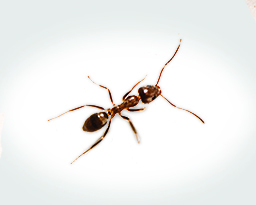
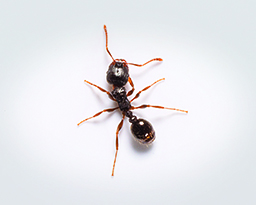
Argentine ant colonies can grow to monumental size. Their colony
borders sometimes cover entire habitats. Argentine ant queens also
assist with foraging for food. The ant gives off a musty odor when
crushed. Worker argentine ants are about one sixteenth of an inch
long. Queen argentine ants are one eighth of an inch to one quarter
of an inch long.
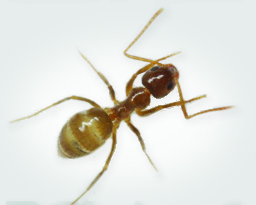
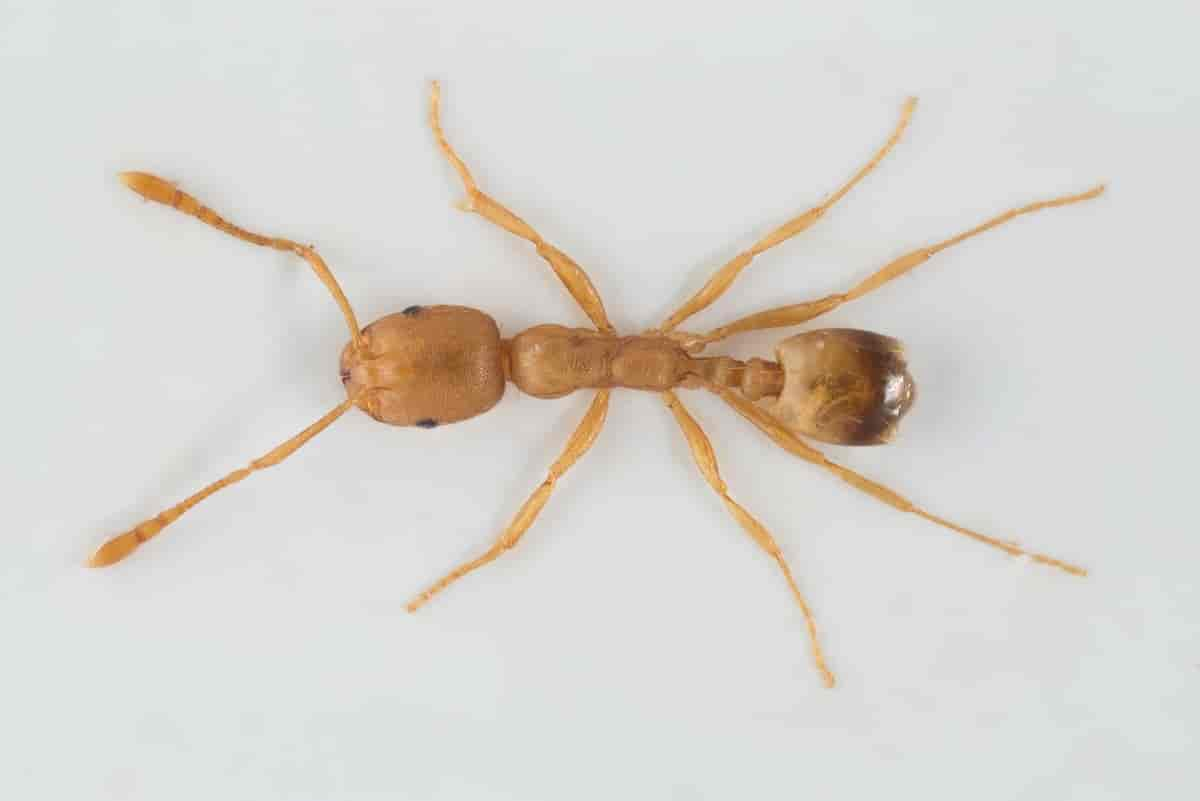
Over the last few years reports have escalated of a golden-brown to
reddish-brown "crazy ant" infesting properties in and around
several cities in Florida. Thick foraging trails with thousands of
ants occur along sidewalks, around buildings, and on trees and
shrubs. Pest control operators using liquid and/or granular
broad-range insecticides appear unable to control this nuisance
ant.
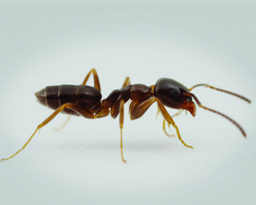
Carpenter ants get their name because they excavate wood in order
to build their nests. Their excavation results in smooth tunnels
inside the wood. Carpenter ants range in size from one-quarter inch
for a worker ant to up to three-quarters inch for a queen.
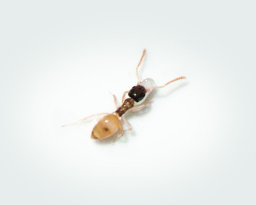
Ghost ants are known as "ghosts" because when they run around on
light surfaces their transparent abdomens and legs seem to vanish;
leaving just the dark head and thorax visible. On darker surfaces,
all you see are pale patches moving about.
This ant gets its name from the strong, rotten coconut-like smell
it gives off when crushed. These tiny insects range in size from
one-sixteenth of an inch to one-eighth of an inch long.
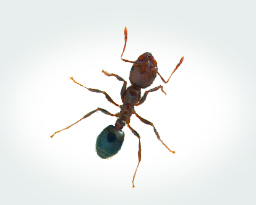
Pavement ants get their name because they make their nests in or
under cracks in pavement. They can infest structures.
Red imported fire ants nest in soil and build mound nests. They can
infest garages.
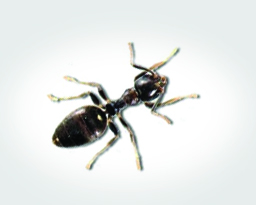
White footed ants appear so successful, and a difficult nuisance to
control around homes, because colonies of this species frequently
become very large -with upwards of 2 to 3 million individuals