Songs of the Summer: The Bugs Behind Your Backyard Soundtrack
Roll down the windows and turn up the volume. It’s summertime, which means your favorite songs are on repeat and new hits are earning a spot on every road trip and pool day playlist.
But once the speakers turn off and the sun starts to set, a different kind of soundtrack takes over.
Whether it’s your favorite genre or not, the buzzing, chirping, clicking, and humming from the bugs outside will be on repeat for the next few weeks. (And no, we can’t treat earworms.) But who are the performers behind these chart-toppers? Use this guide to identify the insect stars behind your backyard’s summer hits.
Why Are Bugs So Noisy in the Summer?
It’s impossible to avoid singing bugs in the summer. But if you’re wondering why they get so loud when the weather gets warm, the answer is quite simple.
Summer is prime mating season for many insects. The warmer temperatures help them become more active, and making noise is one of the best ways to attract a mate or claim territory.
So while it might feel like you’re getting a free concert every evening, you’re really listening to thousands of tiny conversations happening all at once.
Meet the Bugs Behind All the Noise
Cicadas
If summer had a signature sound, this would be it.
The loud, electric buzz of cicadas can fill entire neighborhoods. They don’t just sing at night, either. Step outside during even the hottest parts of the day, and you’re likely to hear way more cicadas than you see.
Only male cicadas sing, and they do it to attract a mate. And with just a few short weeks to serenade that special someone, they make sure to put their tymbals (a special organ that makes sound) to work.
Crickets
This insect may not be a headliner, but it sure knows how to put on a good opening act.
When the sun sets, crickets are some of the first bugs to take the stage. Male crickets create that iconic chirping sound by rubbing one wing against the other, an act called stridulation.
These bugs aren’t just one-hit wonders either. Different species create different rhythms and pitches altogether. So to the mates they’re pursuing, it sounds less “chirp chirp” and more like a personalized love song.
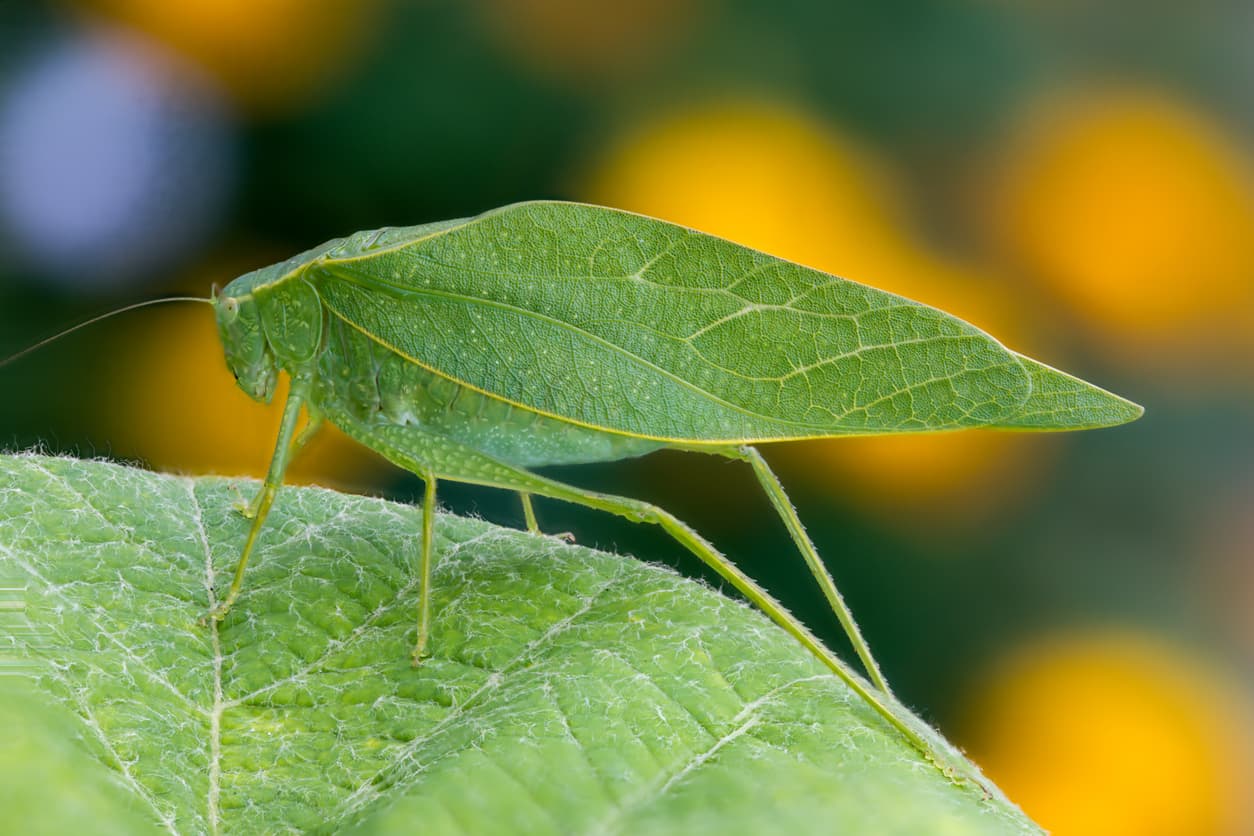
Katydids
All the greats have an artist tag that they weave into every track, and katydids are no different.
Much like a certain rapper who loves shouting his own name, these insects sound like they’re saying “katy-did” over and over. It may not be very creative, but it does make them easy to identify.
Katydids come out later in the summer and hide in trees and other tall vegetation. Like crickets, they also create their songs by rubbing parts of their wings together.
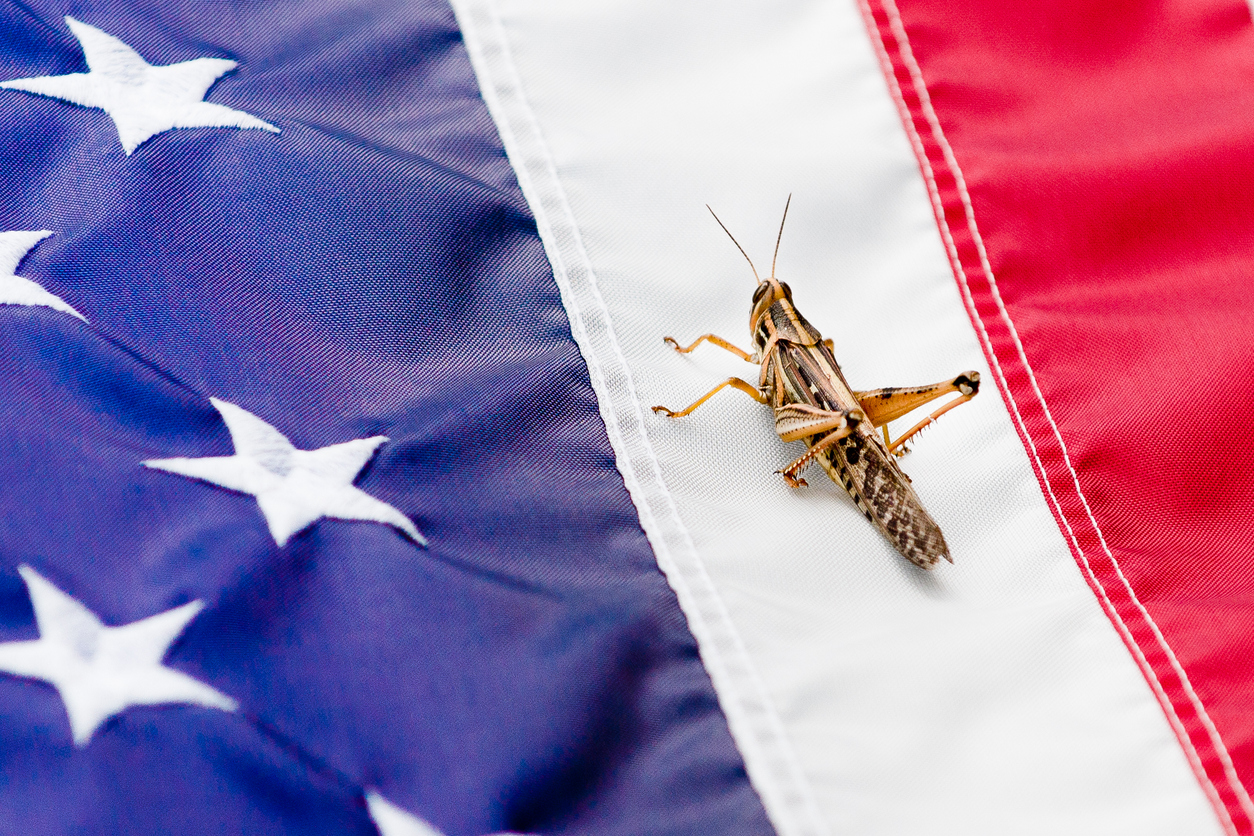
Grasshoppers
Like a song with a little percussion? Then you’ll love it when grasshoppers hop on the track.
These insects produce a few different noises, like clicking or snapping sounds while flying. But when they rub their legs against their wings, it sounds a lot like maracas. Grasshoppers typically don’t play for as long as crickets or cicadas, which makes their sound feel more like a well-earned drum solo. Phil Collins, you’ve been warned.
Bees
Every good band needs someone to keep the rhythm. In the insect world, that job belongs to bees. Their constant buzzing sound comes from their wings, which beat hundreds of times per second. Talk about up tempo!
Unlike the other insects, bees aren’t trying to sing. But if you hear their gentle hum playing in your backyard, it probably means they’re hard at work pollinating your plants.
Mosquitoes
You know that one song everyone hates, but it just. Keeps. Playing. That would be the high-pitched whine of a mosquito near your ear.
This universally hated tune comes from mosquitoes buzzing their wings. Thankfully, you can use it as a warning. If you hear a tiny whine while sitting outside on the patio at night, it’s a sign that a mosquito wants to make you its next meal.
Trust us, this is a song you’ll want to skip 10/10 times, so make sure you’re practicing mosquito prevention!
Death’s-Head Hawkmoth
Here’s a fun bonus track. Found primarily in Europe, Asia, and parts of Africa, the Death’s-head Hawkmoth has a talent unlike almost any other insect on this list; it squeaks.
To warn off predators, this musical moth forces air through part of its mouth to create a sound that’s a lot like your dog’s squeaky toy. So if you’re traveling overseas this summer, keep an ear out for one of nature’s most unusual performers.
Sit Back and Relax
Thankfully, most of these insect musicians prefer to perform outdoors, where they play important roles in local ecosystems. But if any start a residency in your home, we can help. Until then, enjoy the free concert!
Some states aren’t just great places for people — they’re paradise for pests, too. Warm weather, high humidity, and plenty of food and water sources can turn an everyday backyard into a bug buffet. Whether you’re planning a vacation, thinking about moving, or just curious about what states have the most bugs, we’re here to …
When you see a bug, what’s the first thing that comes to mind? Is it how annoying they are when they buzz around your head? Or how itchy one of their bites can be? Chances are, you’re probably not thinking about the surprising role these tiny creatures have played in shaping human history, culture, and …
What’s Bugging Your Nose: 6 of the Smelliest Infestations So, you’ve noticed an odor that’s a little off in your home. Is it just a passing breeze or is there something more sinister lurking beneath the scent? If a strange stench is lingering, it could be a pest infestation. While you might expect pests to …