Insects are top-of-mind during the summer, but when colder weather comes around, they’re all but forgotten. But have you ever thought about what happens to bugs during the winter?
While some can’t survive the low temperatures, the truth is, they have a lot of tricks up their sleeves. Here are the top survival strategies bugs use to make it to spring and some tips to get ready for their arrival.

Shelter Seekers
Despite their reputation as warm-weather pests, mosquitoes don’t vanish entirely when temperatures drop. While males typically can’t survive in temperatures lower than 50 degrees, some species of female mosquitoes can enter a state of dormancy.
After finding a protected area like a hollow log for shelter, their activity will slow down through a process called diapause. This form of hibernation stops mosquitoes’ development so they can save their energy until they get back to their blood-sucking ways in warmer weather.

On the Move
The snowbirds of the insect world, butterflies like to stay warm all year round. Some species, like the monarch butterfly, will travel thousands of miles to avoid the cold. Their migration patterns can even take them all the way from Canada to Mexico. How’s that for a winter vacation?

Warmer When Wet
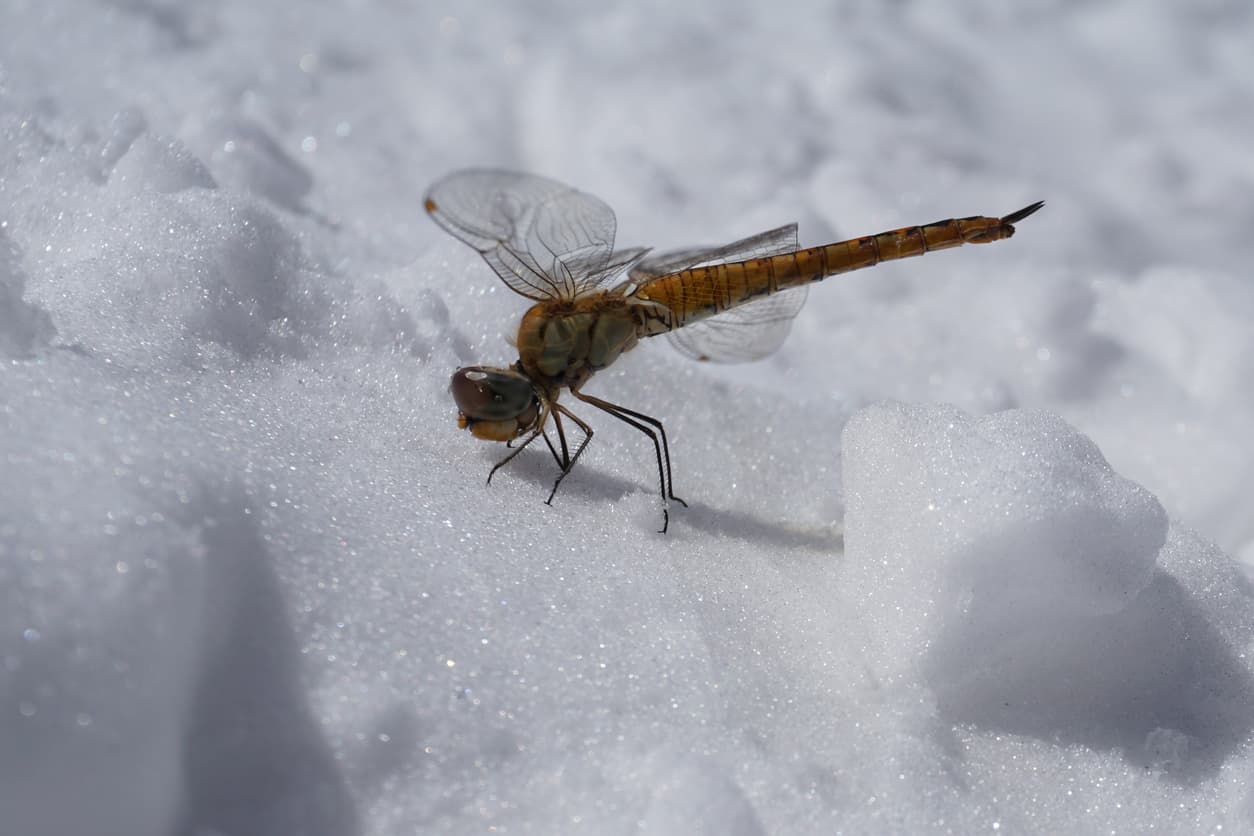
Dragonflies and damselflies can’t survive winter’s chill as adults, but they figured out a creative workaround.
By sticking to the aquatic stage in their life cycle, these insects will spend the winter in ponds or streams as nymphs. This survival strategy allows them to withstand colder temperatures until they mature and take flight with the arrival of spring.

Burrowing for Warmth
Ground-dwelling bugs that are out and about during the summer enjoy an earthy staycation in the winter. Beetles and ants beat the season’s first frost by burrowing underground where temperatures are warmer. Ants will even go as far as sealing up their colonies to protect themselves while they’re much more sluggish during colder months.

All Egg, No Nog
Bugs like aphids and moths pick a sheltered location to lay their eggs before it gets too cold. This strategy is all about planning for the future so the next generation can survive when spring comes around.
Sometimes, a moth will get inside your home and decide to lay eggs in your closet or garage. These artificially warmer conditions can trigger the eggs to hatch long before spring.

Preparing Your Yard for Spring
While most bugs are taking the winter off, you can use this time to get ready for their return.
Start by eliminating potential mosquito breeding grounds in your yard. Empty standing water from containers, unclog gutters, and keep the landscape tidy to reduce areas where pests can lay eggs.
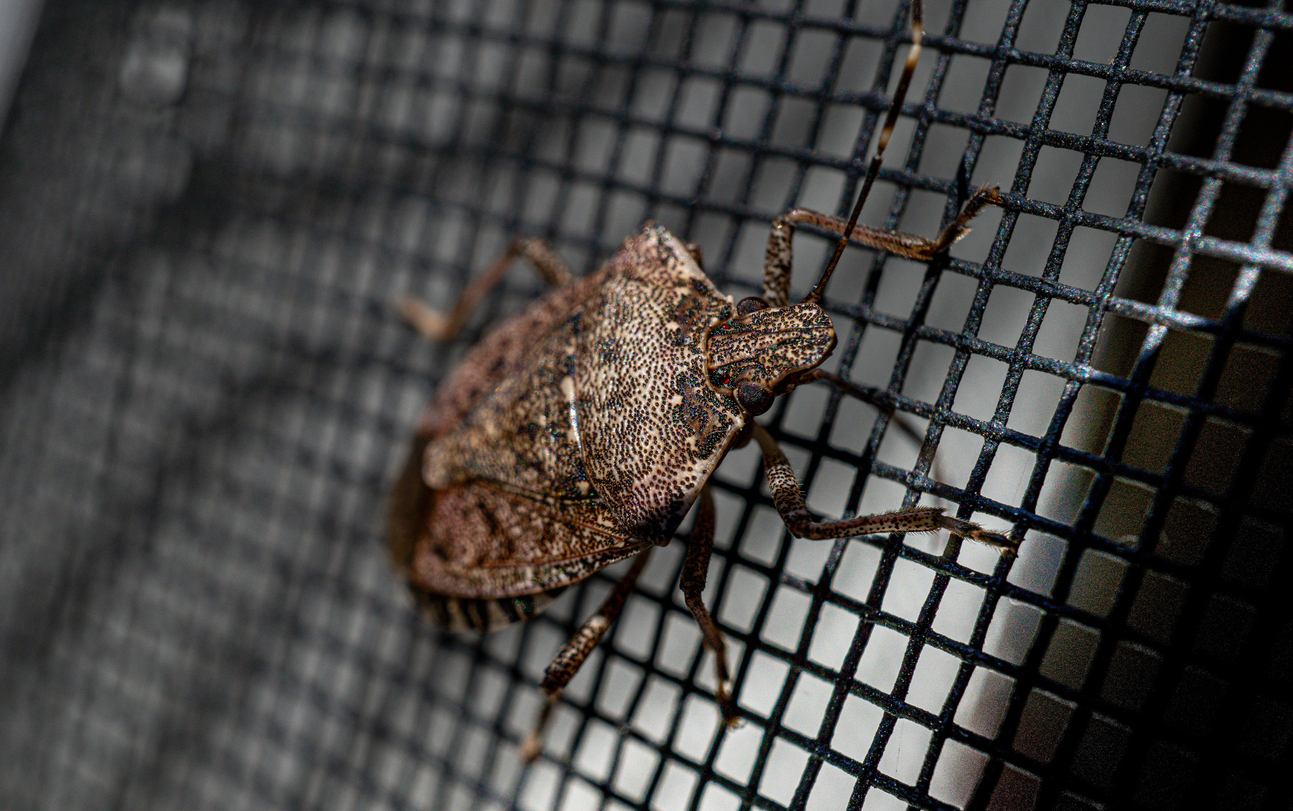
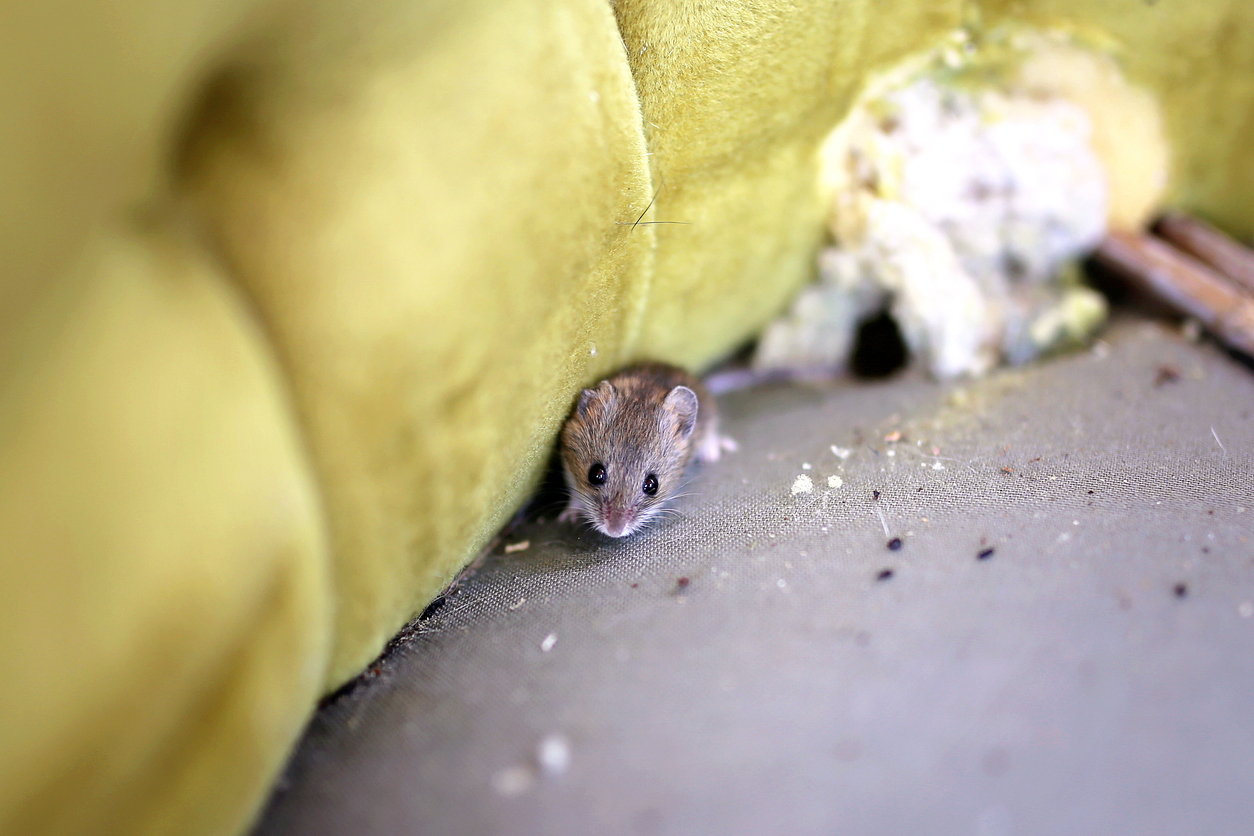
To keep insects from using your house to ride out the winter, inspect for any gaps in your home’s exterior. Sealing cracks won’t only prevent bugs from laying eggs in your home, but will also help keep out any rodents looking for warm shelter.
Give Us a Call
A winter break from bugs is nice, but they can still stick around. If you’ve got any pests surviving winter’s cold in or around your home, give Arrow a call today — we’re here to help!