FIND YOUR LOCAL
ARROW SERVICE CENTER
Blatta orientalis
Originating from the Black and Caspian Seas, oriental cockroaches are common in the U.S., especially in southern states. They are one of the largest roaches commonly found in homes.
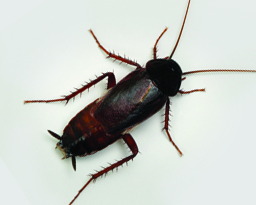
| Color | Dark brown, almost black |
| Legs | 6 |
| Shape | Oval |
| Size | 1" |
| Antennae | True |
Oriental cockroaches are sometimes called "water bugs" because they come out of drains, and "black beetle cockroaches" because of their smooth, dark bodies. Slower and smaller in size than other cockroach species, males are about an inch long, with wings that cover less than half their abdomen, while females are about 1 1/4 inch long, and have only short wing stubs. Despite these wings, oriental cockroaches are actually unable to fly..
Oriental cockroaches are extreme scavengers that can feed on almost anything edible. They tend to feed on food scraps and greases or fats. This is why they are often found in kitchens. They will also eat paper, leather, and decaying organic matter.
Since they are more likely to enter your home looking for water, these critters tend to be found near toilets, sinks, exposed pipes or plumbing. Though they can survive up to a month without food, they can live only two weeks without water.
Living less than 180 days, female oriental cockroaches produce up to eight egg cases with 16 eggs per case. Female oriental cockroaches carry their egg capsules around for 30 hours before dropping them in a safe, protected area. Sixty days later, the nymphs hatch and reach maturity six to 12 months later. Pale, tan-colored nymphs are active March through summer and may molt seven to 10 times before they reach maturity in the fall.
After developing into adults, oriental cockroaches usually live for six to 12 months, with females producing an average of 200 eggs in a lifetime.
The oriental cockroach is considered one of the most dangerous cockroaches in terms of bacteria and pathogens, as their strong drive toward water often leads them to sewers and other sources of bacteria-ridden water. They also love eating garbage and decomposing food.
Oriental cockroaches typically transfer bacteria and viruses from their legs to food, dishes, utensils and countertops and are known to spread dysentery, e. coli, salmonella and food poisoning. These pests can contaminate your food and kitchen surfaces, which may make you or your family sick.
Recent medical studies have shown that cockroach allergens cause lots of allergic reactions in inner-city children. They were even shown to cause asthma in children. These allergens build up in deposits of droppings, secretions, cast skins and dead bodies of roaches.
Of lesser concern is their bite. Oriental cockroaches have been known to bite if food is scarce, but a bite will only cause slight irritation. The diseases these bugs carry is the greater danger.
Oriental cockroaches can be identified by the strong odor they give off, which serves as a way for these critters to communicate with other roaches and with their environment.
These nocturnal creatures are rarely seen during the day, so spotting a few during daylight hours could be a signal that there are many more just around the corner. Dark brown or reddish egg capsules may also be detected.
Oriental cockroach infestations can be harder to get rid of than other roach species, but many of the same tips for preventing other roaches do work.
Insecticide sprays can be used to create perimeters or barriers around baseboards and doors. Bait traps, insecticide granules, and dusters can be effective means of getting rid of roaches.
For future prevention, keeping food sealed and kitchens clean will eliminate primary food sources. Reducing moisture in your home by fixing leaks and using dehumidifiers in damp areas like basements creates a less hospitable environment for roaches. Sealing potential entry points will also reduce their numbers, but roaches can fit through tiny spaces so it can be difficult to eliminate entry points completely.
To properly treat an Oriental Cockroach infestation, get the help of the professionals. For a customized treatment plan, contact the Arrow team using the form below.
After you submit the information below, a trained professional in your area will get in touch within 1-2 business days to set up a date & time that is convenient for you.







 YouTube
 Facebook
 Twitter
 Instagram
 LinkedIn