FIND YOUR LOCAL
ARROW SERVICE CENTER
Subterranean Termites
Termite damage costs property owners more than $5 billion every year. That’s more than fires and storms combined! These insatiable pests primarily feed on wood and will consume books, furniture and even the insulation in your walls.
The damage caused by subterranean termites can be financially disastrous because it often goes undetected for long periods of time. When the damage from underground termites is finally detected, it’s rarely covered by homeowners insurance.
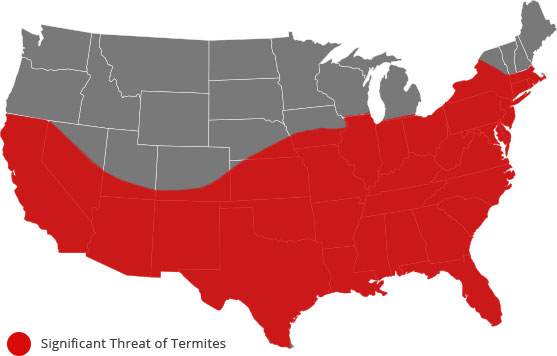
Just one subterranean termite colony can contain thousands to millions of insects. The workers forage continuously for food, carrying it back to the colony where it is shared; and these ever-expanding colonies don't stand still. When temperatures warm, reproductive termites swarm from an existing colony to establish a new one.
All termites need to gain entry into your home is the tiniest gap in concrete, mortar or metal—1/32 of an inch! Once inside that gap, their insatiable appetite for wood takes over. These cunning little engineers construct air and moisture tight shelter tubes leading from the colony in the soil to the wood in your home. Termite tubes can go up wires, along pipes, around so-called "termite shields" and even extend free of any support. Busy workers use these tubes as their "freeways," constantly commuting between the food source (your house) and their colony in the soil.
When we build communities, the termite threat grows as we encroach on their natural habitat, removing their native food source and leaving them with little alternative but to search for another in our homes. Because they work silently, it can be years before evidence of termite damage becomes visible, long after serious damage has already been done.
Drywood Termites
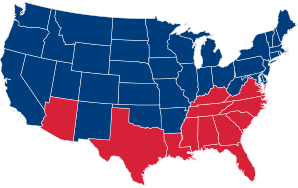
Many people are aware of the significant threat to their home posed by subterranean termites, but in certain parts of the country, there is another type of termite that is just as likely to attack: drywood termites. These invaders live in colonies above ground in the structures on which they feed. The colonies are smaller, but multiple colonies can infest the same structure. These termites are capable of causing just as much damage as their underground counterparts and require completely different methods of control. If you suspect you have a problem with any type of termite, the licensed professionals at Arrow Exterminators will conduct a thorough termite inspection of your entire home, use termite detection to pinpoint the exact nature of your termite problem and recommend a solution designed specifically for your home.







 YouTube
 Facebook
 Twitter
 Instagram
 LinkedIn