

The Summer Survival Guide for Bugs, Snakes, and Other Pests

It’s summertime and living is easy… well, it’s supposed to be. Between hot weather, more yard maintenance, and summer break with no school, things can get hectic. Add pest problems to that list, and yikes — you’re headed straight for the summer blues. Luckily, we have some pest control tips for summer that will make this season as sunny and relaxing as it should be.
From how to prevent common summer bugs and rodents to figuring out what on earth bit you, here’s everything you need to know to survive the summer, pest-free.
What Pests Come Out in the Summer?
We’re not the only ones who enjoy the sunshine. Bugs, rodents, snakes, and other animals are more active when temperatures heat up. Common summer pests include:
- Stinging Insects: Bees, wasps, hornets, and yellow jackets are more active as they take advantage of summer’s blooms, hunt for food, and build their nests.
- Mosquitoes: Summer heat + standing water = perfect conditions for mosquitoes to thrive. They come out most often at dusk and dawn, when winds are calm and the air is humid.
- Ants: Name a more iconic summer bug. Hot weather can drive ants indoors in search of food and water. You’ll also find them in greater numbers in outdoor dining areas, like patios and porches, where they can find leftover snacks.
- Ticks and Fleas: Higher temperatures mean these little bloodsuckers are looking for hosts — including your furry friends. Keeping dogs and cats treated with flea and tick medication in the summer helps prevent them from bringing these buggers indoors, where they can transfer to you.
- Spiders: More bugs means more food for spiders. While these eight-legged pests can be scary, they also provide natural pest control. Thankfully, most U.S. spiders with a dangerous bite prefer to hang in their webs versus wander around, regardless of the season. Unless you have an infestation, you won’t likely see them coming indoors more often.
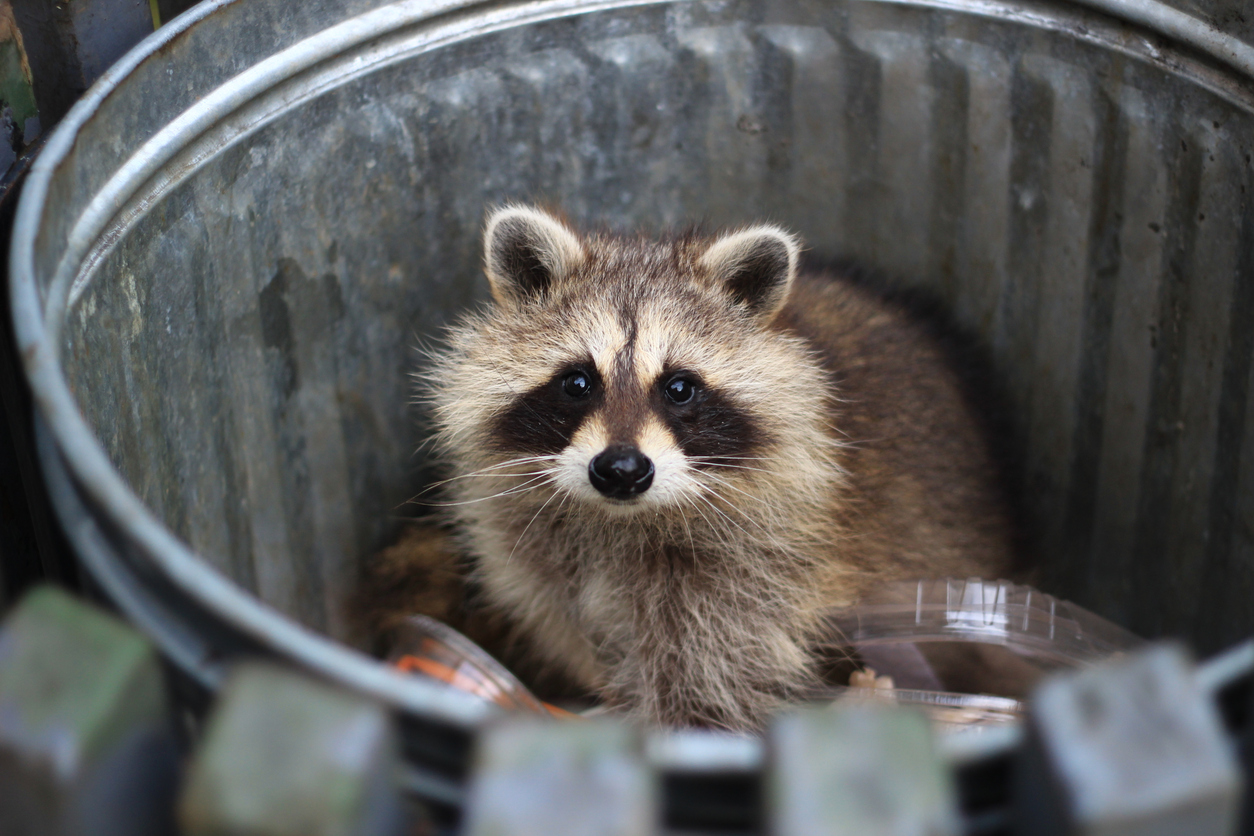
- Raccoons: These masked bandits are busier in the summer. After the spring mating season, mama raccoons and their little ones are eager for summer spoils like garden veggies, picnic leftovers, litter, and open trash cans.
- Rodents: Spring and summer are both prime mating time for rats and mice, which means their numbers can increase. It’s not uncommon to find them in woodpiles, brush, and other outdoor debris in the summertime.
- Snakes: Where there are rodents, there will be snakes who snack on them. Many snake species are harmless to people and great helpers in controlling rodent populations. Just watch out for venomous snakes common in your area.
 How To Keep Summer Pests Away
The best way to get rid of pests in and around your home is by making sure they don’t come knocking in the first place. Follow these simple tips for pest-proofing your yard and house.
Prevent Pests in Your Yard
- Dump or Treat Standing Water: Look for standing water in places like clogged gutters, flower pots, and tree stumps where mosquitoes breed and other bugs stop for a drink. If you have ponds or water features, treat them with wildlife-friendly mosquito rings.
- Remove Debris and Weeds: Wood piles and overgrowth make cozy homes for rats, mice, ticks, and other pests, so keep things neat to keep them from calling your yard their home.
- Secure Your Trash Cans: Raccoons, possums, houseflies, and other critters love an open garbage can. If possible, keep your trash stored in the garage when it isn’t garbage day. If you have to keep them outside, ratchet straps make for easy and inexpensive DIY animal-proofing.
- Remember, Not All Bugs Are Pests: Fireflies, ladybugs, butterflies, and other pollinators can be a treat to see and are an important part of natural habitats. To help promote the right bugs and deter the wrong ones, use natural pest control like soapy water for your garden, or try planting herbs that bugs dislike, such as mint, lavender, or basil.
Prevent Pests Inside Your House
- Do a Summer Sweep of Your Home: Kick off summer with a routine check for cracks or holes around windows, doors, and foundations where pests might sneak in. Seal up open gaps before insects and rodents can find them and tell their friends.
- Remove Water Sources: In the summer, critters are drawn inside by the promise of water, especially ants and rodents. Avoid leaving water in sinks, clean up spills as soon as they happen, and check for leaks that might attract thirsty pests.
- Secure Your Food: Everyone loves a summer picnic, including fruit flies, ants, mice, and rats. Be sure to put food away as soon as you’re finished, clean up crumbs quickly, and keep your indoor trash bins sealed.
How to Keep Bugs Off You
Planning a hike, camping trip, or a big yard work project? Stay protected and itch-free by following these best bug practices:
- Dress the Part: If you’re out in tall grass or woods, wear tall socks, long pants, and a long-sleeved shirt tucked into your beltline. Light-colored fabric not only is less attractive to mosquitoes, it also makes it easier to spot ticks before they get a chance to bite.
- Bug-Proof Your Clothes and Gear: Many clothing companies sell bug-proof clothing treated with insect repellent. You can also insect-proof clothes, shoes, and camping gear yourself with a permethrin spray. Just be careful to never treat your clothes near pets, as wet permethrin can be very toxic to cats.
- Use a Good Bug Spray: An EPA-approved spray with DEET can be great for keeping bugs away. If you’re looking for DEET-free options, Picaridin works for up to 12 hours to repel mosquitoes and ticks, and Murphy’s Naturals Lemon Eucalyptus Oil contains OLE, one of the few plant-based EPA-registered insecticides that’s proven to work as well as DEET.
What Bit Me?
Was it a mosquito, a spider, or maybe a brush with poison ivy? Summertime brings a lot of itchy encounters, and because everyone reacts differently, it can be hard to tell exactly what bit you.
These are some of the most common summer bug bites and what they usually look like:
- Mosquitoes: Small, red, and itchy welts that may have a small dot in the center.
- Fire Ants: An itchy, red welt that starts with intense burning and often develops a white, pus-filled bump similar to a pimple.
- Spiders: Different spider species bites cause different reactions. Most are small, slightly swollen bites that may develop a scab. If your spider bite doesn’t go away within a few days and develops worsening discoloration, blisters, or severe pain, it’s time to seek medical treatment.
- Gnats: Also called no-see-ums or midges, biting gnats’ bites feel sharp and leave behind tiny, red, itchy bumps.
- Chiggers: Often appearing where clothes sit tight against the skin, these intensely itchy welts usually have a red dot or pustule in the middle where the chigger has attached itself.
- Horseflies: Painful and immediate, a horsefly bite usually makes a large, red, and swollen welt that can be warm and tender to the touch.
- Tricky Lookalikes: Poison ivy and oak, acne breakouts, and allergic reactions can all be commonly mistaken for a bug bite.
If you’re dealing with a mystery bump, check out our guide on how to tell what’s bugging your skin.
Something Still Bugging You?
With these tips, you can enjoy your summer to the fullest, without the extra company. But if you still find yourself with uninvited guests in the shape of pests, contact us for fast and friendly pest control.