

Common Yard Pests to Watch for While Landscaping This Spring

There’s nothing like a fresh round of landscaping to bring your yard back to life. New plants and trimmed hedges just feel good for the soul.
But while you’re busy upgrading your yard, pests are under the impression that you’re doing all that hard work for them.
That’s why spring yardwork is the perfect time to mix in a little pest-proofing. Because the truth is, many common landscaping choices can accidentally roll out the welcome mat for pests to stick around.
With so many pests coming back for the season, following a few pest control tips for landscaping can help prevent an infestation in your outdoor space. As you dig in, here’s how certain features in your yard can attract insects, rodents, and more, and what you should do before they settle in.
How Dense Landscaping Doubles as Pest Shelter
A full, lush yard looks great. But when plants get too dense, they can create a hidden haven for pests.
Tall grass, thick shrubs, and overgrown flower beds trap moisture and shade. And those two ingredients are known to attract bugs like mosquitoes and spiders. Overgrown areas also give mice and rats a safe place to nest and move around unnoticed. Once rodents move in, they can attract even larger visitors, like snakes, looking for a meal.
The fix here is simple: keep things trimmed and spaced out. Regular yardwork activities like cutting grass and trimming hedges can remove cover and make your yard far less appealing to critters of all sizes.
Other Prime Pest Real Estate
Some of the most common landscaping materials have an unfortunate side effect: they draw in pests.
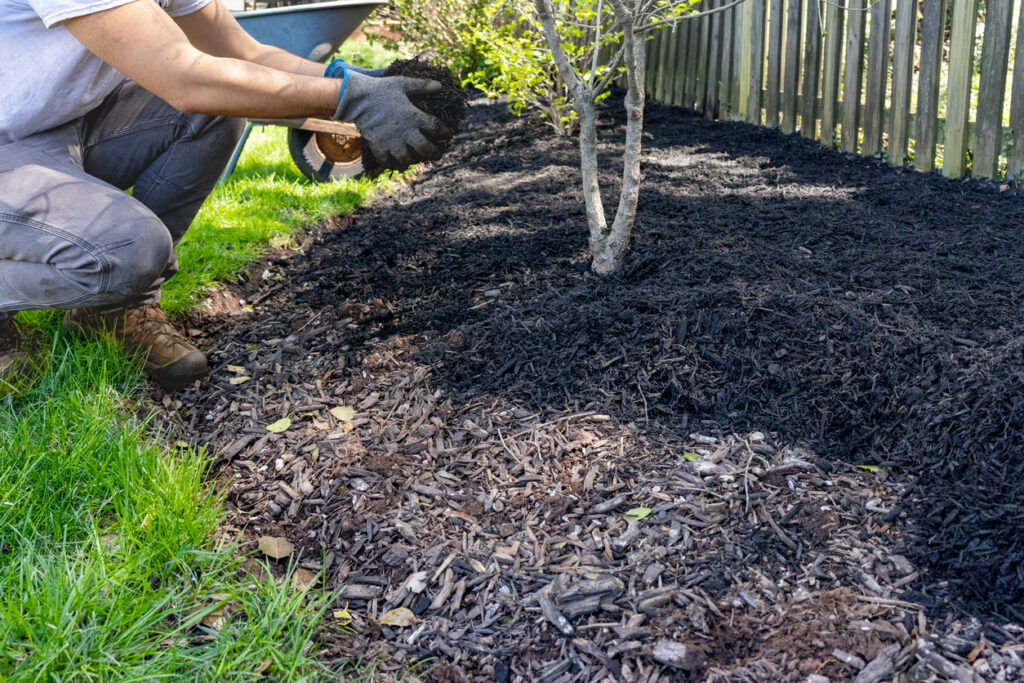
Mulch beds support a ton of pest activity, especially if they’re damp. Since they hold moisture so well, ants, termites, earwigs, and beetles can often be found hanging out in them. If mulch is too close to your home, like in a flowerbed under a window, it can even act as a bridge for pests to move inside.
Woodpiles are another big draw. Termites, carpenter ants, and cockroaches all love stacks of wood. If you left any undisturbed during winter, you might find your logs have been repurposed into a pest condo.
Rock beds and decorative stones spruce up a yard, but they also create a ton of cool hiding spots for spiders and other pests. They’re also a common place to find a snake resting, especially during warmer days.
Making these adjustments while you tidy up can make a big difference when it comes to pests:
- Keep mulch a few inches away from your foundation
- Store firewood off the ground and away from your home
- Be cautious when moving rocks or refreshing stone areas
The bottom line is that if it looks like a cozy, protected space, then pests probably think so too.
Moisture Is the Real Magnet
Water is the key to all life, and that holds true for supporting pest populations.
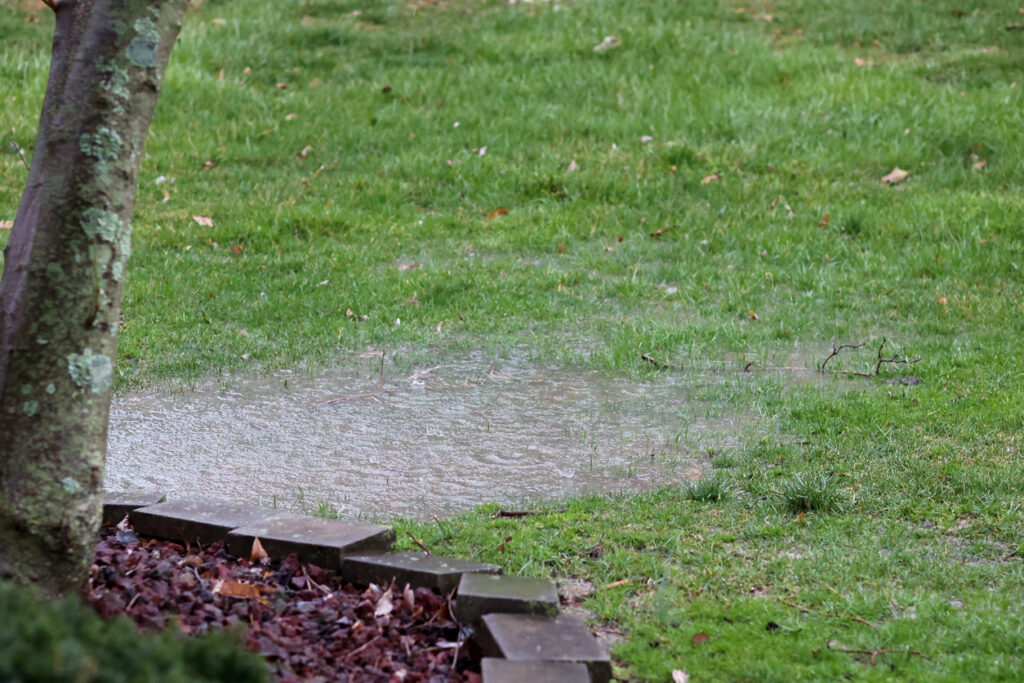
Overwatering plants, poor drainage, clogged gutters, and standing water can quickly turn your yard into a breeding ground for mosquitoes. And it doesn’t take much. Even a small puddle or water-filled planter can support mosquito larvae.
Moisture also attracts ants and termites, which rely on damp environments to survive. It’s easy to accidentally create these conditions when you’re trying to keep new plants healthy, but balance is key. A well-watered yard is good. A constantly soggy one is basically a pest resort.
To keep your yard in a good spot, add these activities to your spring cleanup list:
- Avoid overwatering and fix drainage issues
- Empty standing water from containers and yard features
- Clear gutters and direct water away from your home
How Bigger Pests Come Into Play
Sometimes, you have to look a little harder for clues that there are pests in your yard.
When you’re planting new flowers or plants, pay attention to the soil. Small burrows, droppings, gnaw marks, or disturbed soil can all point to mice or rats. These pests are drawn to easy food sources and shelter, all things a well-landscaped lawn can provide.
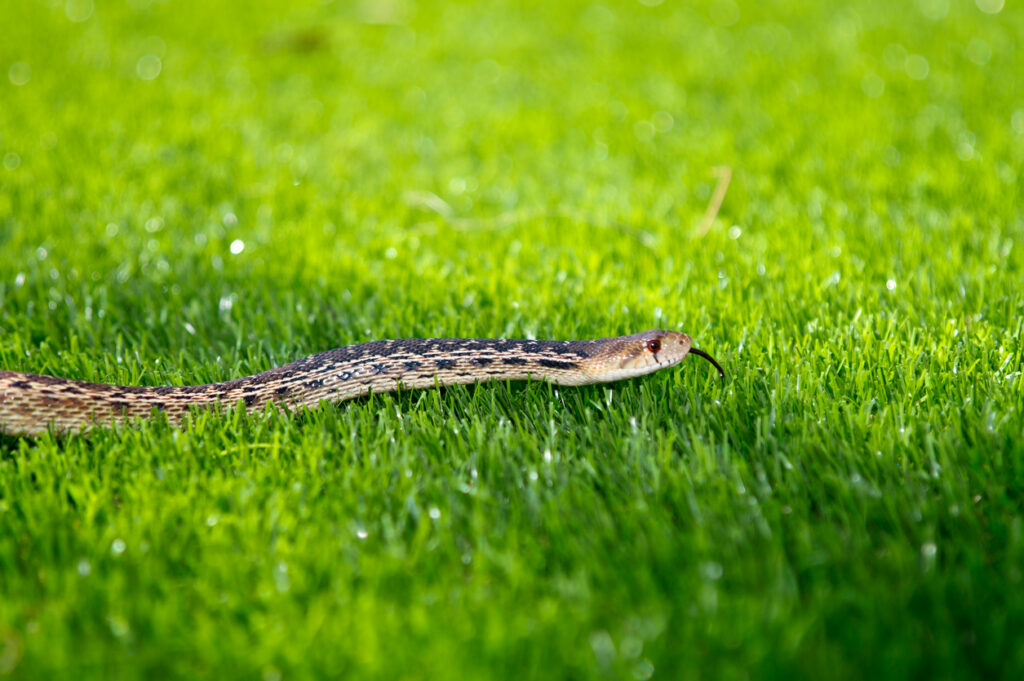
On their own, rodents are a problem. But they can also attract predators like snakes and other wildlife looking for an easy meal.
If you’re trying to figure out how to get rid of snakes in your yard, look no further than mice. Getting rid of rodents can pack a two-for-one pest control punch by making your yard less appealing to snakes as well.
Keep Your Yard Beautiful, Not Busy
A trimmed, dry, and well-maintained yard can help keep pests away from your home. But if you’re finding too many unwanted critters as you start your spring yardwork, it might be time to call in the pros.
Contact us for help identifying the root of your pest problem. Because the only thing that should thrive in your yard this season is your landscaping.