

Seeing Ants? Here’s Why They’re In Your Home
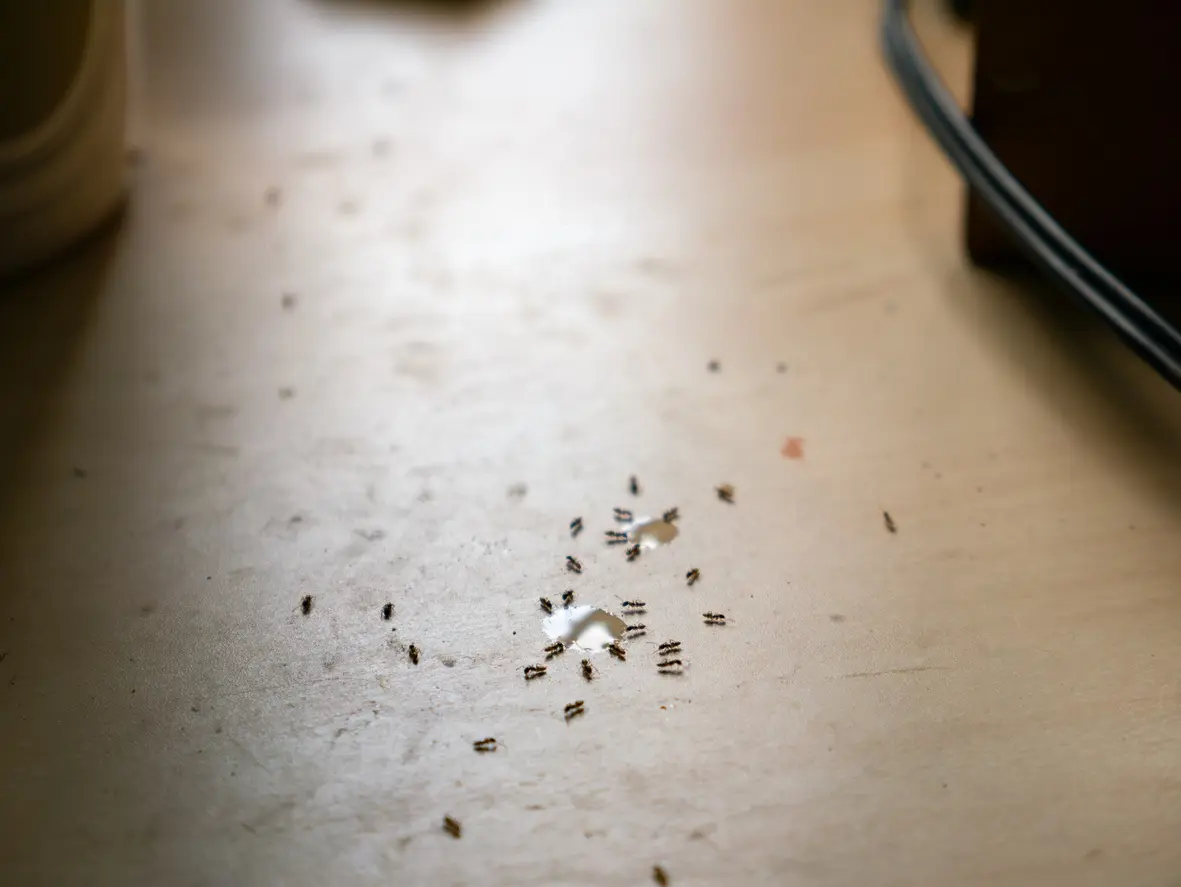
What’s that black dot moving across your kitchen counter? Or wait… is it red?
And didn’t there used to be just one? Now there are five. Actually, make that ten.
That’s usually how an ant invasion starts. But not all ants are the same. In fact, the type of ant you’re seeing around your home can tell you a lot about why they’ve decided to come in.
So before you start going on the attack, use this guide to get to know some of the most common household ants and learn what might be attracting them to your home in the first place.
Sugar Ants
Those tiny ants in your kitchen? They’re probably sugar ants.
As the name suggests, sugar ants are obsessed with sweets. You’ll likely see them near crumbs, spills, or leftover sugary snacks. Sugar ants are some of the most common types of ants found indoors, and once they’re in, they leave behind a scent trail for the rest of the colony to follow.
The best way to keep sugar ants out is by removing what attracts them. Wipe down surfaces, store food in sealed containers, and clean up spills quickly. The cleaner your kitchen, the less likely it’ll become a sugar ant’s favorite five-star restaurant.
Odorous House Ants
There’s a chance you’ll smell this invader before you see it. When stepped on, odorous house ants give off a distinct, rotten coconut-like smell. And no, it won’t make your home feel like a tropical paradise.
These ants are highly adaptable and will eat just about anything, from sweets to greasy foods. Odorous house ants are also attracted to moisture, which is why they show up in kitchens and bathrooms or around standing water in your yard.
The good news is that these ants don’t bite, so the only threat they pose is to your food. Keep these smelly ants away from your home by reducing moisture and sealing your food sources.

Carpenter Ants
Anyone order a home renovation?
Carpenter ants are larger than your typical kitchen intruder, and they’re a lot less interested in the snacks in your pantry. Instead, these ants focus on turning your home into theirs.
Unlike termites, carpenter ants don’t eat wood, but they do tunnel through it to create nesting galleries. And any damp or damaged wood around your home is prime real estate. You might find them near windows, doors, or areas with past water damage.
If you notice small piles of sawdust, it could be a sign that carpenter ants are in your walls. You may need to do a little carpentry work yourself, like replacing damaged wood, to prevent these ants from sticking around.

Fire Ants
Known for their aggressive behavior and painful stings, fire ants are one of the last pests you want around your home. These infamous ants are typically outdoor pests, but they don’t always stay outside.
Fire ants build mounds in yards, gardens, or along walkways. And if they swarm when these mounds are disturbed, it’s almost a guarantee that you’re dealing with fire ants.
Keeping fire ants at bay starts outside. Regular yard maintenance, reducing excess moisture, and addressing mounds early can help prevent them from getting too close for comfort.
Pavement Ants
Those random black ants you see around your driveway? They’re probably pavement ants.
These ants are foragers, and they usually have nests under concrete like driveways, sidewalks, and foundations. Their opportunistic appetite can lead them indoors from time to time. If you have gaps or cracks around your windows or doors, pavement ants can use them to get inside.
While pavement ants prefer the outdoors, it’s better to be safe than sorry. If you see these ants around your home, make sure your food sources and gaps are sealed so loose crumbs don’t attract them in.

Pharaoh Ants
Bad news. Even if you don’t live in a pyramid, you can still get pharaoh ants.
These ants are tiny, but they can cause big headaches. Pharaoh ants are known for spreading quickly and establishing multiple colonies, which makes them tricky to control. They’re often found in warm, humid areas like kitchens, bathrooms, and even behind walls or appliances.
Like other ants, pharaoh ants are attracted to food and moisture. Keeping them out is key since they can multiply so quickly. But if they’ve already made their way indoors, it’s best not to disturb them too much. Since the colonies split and spread, this is a case where professional help can make a big difference.
Keep Ants Out For Good
Ants may be small, but they’re persistent. By understanding what attracts ants and how the most common types of ants get into your home, you can help keep your space ant-free. But if ants keep marching through your home no matter what, we can help. Contact us for quick and efficient ant removal and get back to enjoying your home without the bites.